For many Nigerians, owning property is not just about having a place to live. It is about security, stability, and long-term financial growth. But as cities continue to expand and urban living becomes more complex, buyers are beginning to ask a more specific question:
Should you buy property anywhere, or is it better to buy within a planned estate?
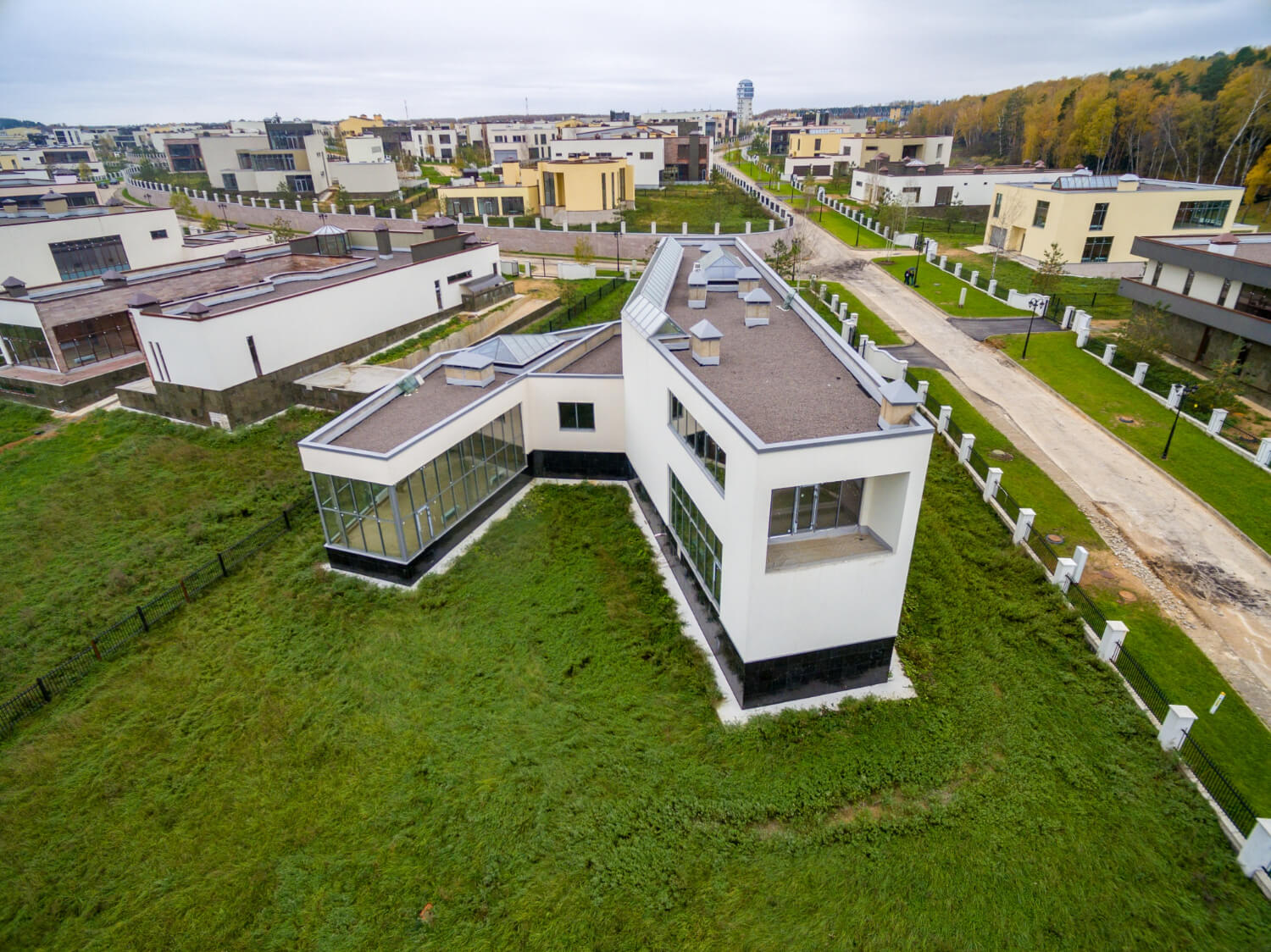
Across Lagos and other growing cities, estates are becoming increasingly popular for homeowners and investors alike. These communities are intentionally designed to provide structure, infrastructure, and a more organised living environment.
So what exactly makes buying property in an estate different from purchasing property in a regular neighbourhood?
Let’s explore the key benefits.
1. Better Security and Controlled Access
One of the most obvious advantages of living in an estate is improved security.
In high-demand residential corridors like Lekki, Ajah, and parts of Ogun State along the Lagos border, security has become one of the biggest factors influencing where people choose to live. This is why structured estates continue to outperform standalone properties in these areas.
Most organised estates operate layered security systems. This typically includes controlled entry points, visitor logging, and in some cases, patrol teams and surveillance coverage across the estate. These systems are not just for show. They create accountability around movement in and out of the community.
For example, in well-managed estates across the Lekki corridor, access is often restricted to residents and verified visitors. This reduces the kind of unrestricted movement you find in many unplanned neighbourhoods, where multiple access points make monitoring difficult.
But the more important layer of security is structure.
Because estates are planned environments, they reduce the anonymity that often enables security issues. Residents are more likely to recognise unfamiliar faces, report unusual activity, and operate within a shared understanding of how the environment should function.
This is one of the reasons why properties within structured estates tend to maintain stronger demand among middle- and upper-income buyers. Security is not just a feature. It is a deciding factor.
In emerging locations like Agbara, where industrial expansion and workforce migration are increasing population density, planned estates are becoming even more important. As the area grows, buyers are not just looking for space. They are looking for controlled environments that can scale with that growth.
This is where developments like Southfields Estate come into play. Instead of leaving security as an afterthought, structured estates in growth corridors are integrating access control, defined entry points, and community planning into the foundation of the development itself.
While no environment is completely risk-free, the difference is clear. Estate-wide security teams, CCTV monitoring, and visitor logs create layers of protection that are difficult to replicate in neighbourhoods with open, uncontrolled access points
2. Planned Infrastructure and Better Living Conditions
Infrastructure is often where the real difference between estate living and unplanned neighbourhoods becomes obvious.
In many parts of Lagos, older areas developed without a clear master plan. Roads were added over time, drainage was inconsistent, and utility access was not always coordinated. This creates long-term issues that affect both daily living and property value.
Estates, on the other hand, are typically built with a structure from the beginning, and that structure does more than improve comfort. It directly influences how the surrounding area grows.
This usually includes:
- Road networks: Estate roads are designed as part of the development plan, not added as an afterthought. This improves accessibility, reduces wear and tear, and makes properties within the estate more attractive to both buyers and tenants.
- Drainage systems: Proper drainage is critical in cities like Lagos, where flooding can significantly affect property usability. Estates with well-planned drainage systems are better protected during heavy rainfall, which helps preserve both infrastructure and property value over time.
- Utility planning: Water supply, electricity distribution, and waste management are often coordinated across the estate. This creates a more predictable living environment compared to areas where residents must individually solve infrastructure challenges.
But beyond comfort, infrastructure planning plays a major role in how entire neighbourhoods develop.
In Lagos, growth rarely happens randomly. It follows infrastructure.
This is why neighbourhoods along the Lagos border have seen better expansion. As road networks improve and commercial activity increases, demand naturally follows.
The same pattern is emerging in areas like Agbara. With its position as one of Sub-Saharan Africa’s largest industrial hubs, the area continues to attract workers, businesses, and supporting services. As this population grows, the demand for organised residential communities increases alongside it.
Planned estates in these locations do not just benefit from growth. They help shape it. Proper drainage alone can prevent the kind of flood damage that costs homeowners millions in areas like Ogijo in Ikorodu every rainy season.
When an estate introduces structured roads, drainage, and coordinated development into an area, it creates a standard that surrounding developments often follow. Over time, this attracts more residents, small businesses, and infrastructure investment into the neighbourhood.
This is why investors pay attention to early-stage estate developments in emerging corridors. They are not just buying into a location. They are buying into a pattern of growth that is already beginning to take shape.
In practical terms, this is how infrastructure moves from being a convenience to becoming a driver of long-term property appreciation.
3. Organised Community Management and Predictable Living Costs
One of the defining features of estate living is structure, not just in physical infrastructure, but in how the community is managed daily.
Most estates operate under a central management system responsible for maintaining shared facilities, coordinating services, and ensuring that the environment remains organised over time.
This typically includes:
- Service management: Estate management teams oversee security operations, waste collection, maintenance of common areas, and sometimes landscaping, ensuring services are delivered consistently across the community.
- Community rules: Building guidelines, parking arrangements, and environmental standards help prevent disorder and protect the overall quality and appearance of the estate.
- Dispute resolution: When issues arise between residents, there is usually a formal structure in place to address concerns, reducing the friction that often exists in unregulated neighbourhoods.
This level of coordination is what allows estates to maintain a stable and predictable living environment.
The Role of Service Charges
One of the most misunderstood aspects of this structure is service charges.
At first glance, they can feel like an added financial burden. But in reality, they are a structured way of paying for services that many homeowners already cover individually in unplanned areas — just less efficiently.
Service charges in Nigerian estates typically range from ₦200,000 to ₦1.5 million annually, depending on the location, type of estate, and level of amenities provided.
These fees usually contribute to:
- Security operations: Covers salaries for security personnel, gate management, patrol systems, and sometimes surveillance infrastructure that protects the entire community.
- Waste management: Ensures regular refuse collection and disposal, which is often inconsistent or self-managed in unplanned neighbourhoods.
- Maintenance of roads and drainage: Funds the upkeep of internal roads, clearing of drainage systems, and repairs that prevent flooding and long-term deterioration.
- Power and utility coordination: In some estates, service charges support shared electricity infrastructure such as transformers, street lighting, or backup power systems.
- Landscaping and shared spaces: Maintains green areas, walkways, and common facilities that improve the overall living environment and visual appeal of the estate.
In many unplanned areas in Lagos, residents still pay for these same services, just in a more fragmented and unpredictable way.
For example:
- Hiring private security or contributing to street security can cost ₦10,000–₦30,000 monthly
- Waste disposal may require separate payments to informal collectors
- Road repairs are often handled through sudden community contributions
- Drainage clearing is typically reactive, not planned
When combined, these expenses can approach or even exceed structured estate service charges, without delivering the same level of coordination or consistency.
The real advantage of estate living is not just access to services. It is how those services are managed. Instead of solving problems individually, residents contribute to a system that handles infrastructure and maintenance collectively.
This makes it easier to:
- Plan long-term living expenses with fewer surprises
- Maintain property value through consistent upkeep
- Avoid sudden, large repair contributions that often arise in unstructured areas
Understanding this early helps buyers evaluate the true cost of living in an estate beyond just the purchase price. Because in practice, the question is not whether you will pay for these services. It is whether you will pay for them individually and inconsistently, or collectively and more efficiently.
4. Property Value Growth and Investment Returns
One of the strongest reasons buyers choose estate properties is not just comfort or security. It is performance.
Properties within structured estates tend to deliver more predictable value growth and stronger long-term returns compared to standalone properties in unplanned areas. This is because estates do something very important: they control the environment around the property.
When infrastructure is maintained, building standards are enforced, and development is regulated, the area remains consistently attractive to buyers and tenants. This reduces the risk of sudden value decline caused by poor neighbouring developments, flooding issues, or uncontrolled construction. But beyond stability, estate properties also benefit from strong appreciation patterns, especially in high-demand locations.
Take Banana Island in Ikoyi as a clear example.
Over the past decade, Banana Island has evolved into one of the most valuable residential locations in Nigeria. Property prices in the area have seen significant upward movement, with land prices reportedly increasing from under ₦200,000 per square metre in the early 2010s to well over ₦3 million per square metre in recent years, depending on the specific plot and location within the estate.
This growth did not happen by chance.
It was driven by a combination of:
- Controlled development standards that maintained exclusivity
- High-level infrastructure and road planning
- Strong security systems
- Consistent demand from high-net-worth buyers
Because the environment was protected, property values were able to grow without the instability seen in less structured areas.
A similar, though earlier-stage, pattern can be observed across the Lekki–Ajah corridor. As infrastructure improved and demand increased, properties within organised estates in these areas consistently outperformed surrounding standalone developments.
This is where off-plan investment within estates becomes particularly powerful.
Buying into an estate at the early development stage allows investors to enter before:
- Infrastructure is fully completed
- Demand peaks
- Prices adjust to reflect the finished environment
This creates a gap between entry price and future market value, which is where much of the return is generated.
For example:
- Lower entry prices: Early buyers often secure units at prices below what the same property will sell for after completion.
- Flexible payment structures: Developers typically allow staged payments, making it easier to enter high-growth locations without immediate full capital.
- Appreciation during development: As construction progresses and the estate becomes more defined, property values often increase even before completion.
However, this opportunity comes with responsibility. Investors must properly evaluate the developer, verify documentation, and understand the delivery timeline before committing funds. This is why it is important to fully understand the risks and rewards of off-plan property in Nigeria before investing.
In practical terms, estate properties offer a combination of value protection and value growth. They reduce downside risk through controlled environments while creating upside potential through infrastructure, demand concentration, and early-stage investment opportunities.
That balance is what makes them particularly attractive to both homeowners and long-term investors.
5. Lifestyle Convenience Through Mixed-Use Planning
Some modern estates are designed as mixed-use communities, combining residential housing with commercial and recreational facilities.
This means residents may have access to:
- Retail spaces: Shops and supermarkets within the estate reduce the need for long trips outside the community.
- Workspaces: Offices and co-working spaces can support remote work and entrepreneurship.
- Recreational areas: Parks, playgrounds, and shared leisure spaces create opportunities for relaxation and social interaction.
These developments create a more self-sufficient environment where essential services are closer to residents. You can explore how mixed-use estates combine residential and commercial spaces to support modern living.
Conclusion
Buying property in an estate offers more than just a home. It provides a structured environment designed to support safety, infrastructure, and long-term property value.
From organised security systems and planned infrastructure to stronger investment potential and community management, estates create a more predictable and stable living experience.
For many homeowners and investors, this structure is what makes estate property particularly attractive in rapidly growing cities like Lagos.
As urban development continues to evolve, planned estates will likely play an even greater role in shaping how people live, invest, and build communities for the future.
In Nigerian real estate, the environment surrounding a property often determines its long-term value as much as the property itself.