For years, sustainable housing in Nigeria sounded like a luxury concept reserved for high-end developments. Solar panels, smart systems, imported materials. It felt aspirational.
But today, sustainability is no longer about prestige. It is about practicality.
With rising fuel prices, unstable power supply, increased flooding in urban areas, and growing climate and environmental pressure, the question is no longer “Is sustainability important?” The real question is “Can you afford to ignore it?”
A sustainable home in Nigeria is not just environmentally responsible. It is financially intelligent, especially when you understand the practical ways buyers structure property payments in Nigeria. A sustainable home is also structurally resilient and designed for long-term comfort.
So what should you actually look for?
1. Energy Efficiency That Reduces Long-Term Costs
In Nigeria, energy efficiency is not just about saving the planet. It is about surviving high electricity bills and generator expenses.
A well-designed home should reduce heat buildup and minimise dependence on artificial cooling and lighting.
Look for:
- Proper building orientation: Ensure that your house is positioned to maximise natural light and cross ventilation throughout the day.
- Energy-efficient lighting systems such as LEDs: LEDs consume less electricity and last significantly longer than traditional bulbs.
- Insulated roofing systems: Quality insulation reduces indoor heat, lowering air conditioning usage and energy costs.
When homes are designed with airflow and heat control in mind, they remain cooler naturally, reducing the financial burden on homeowners.
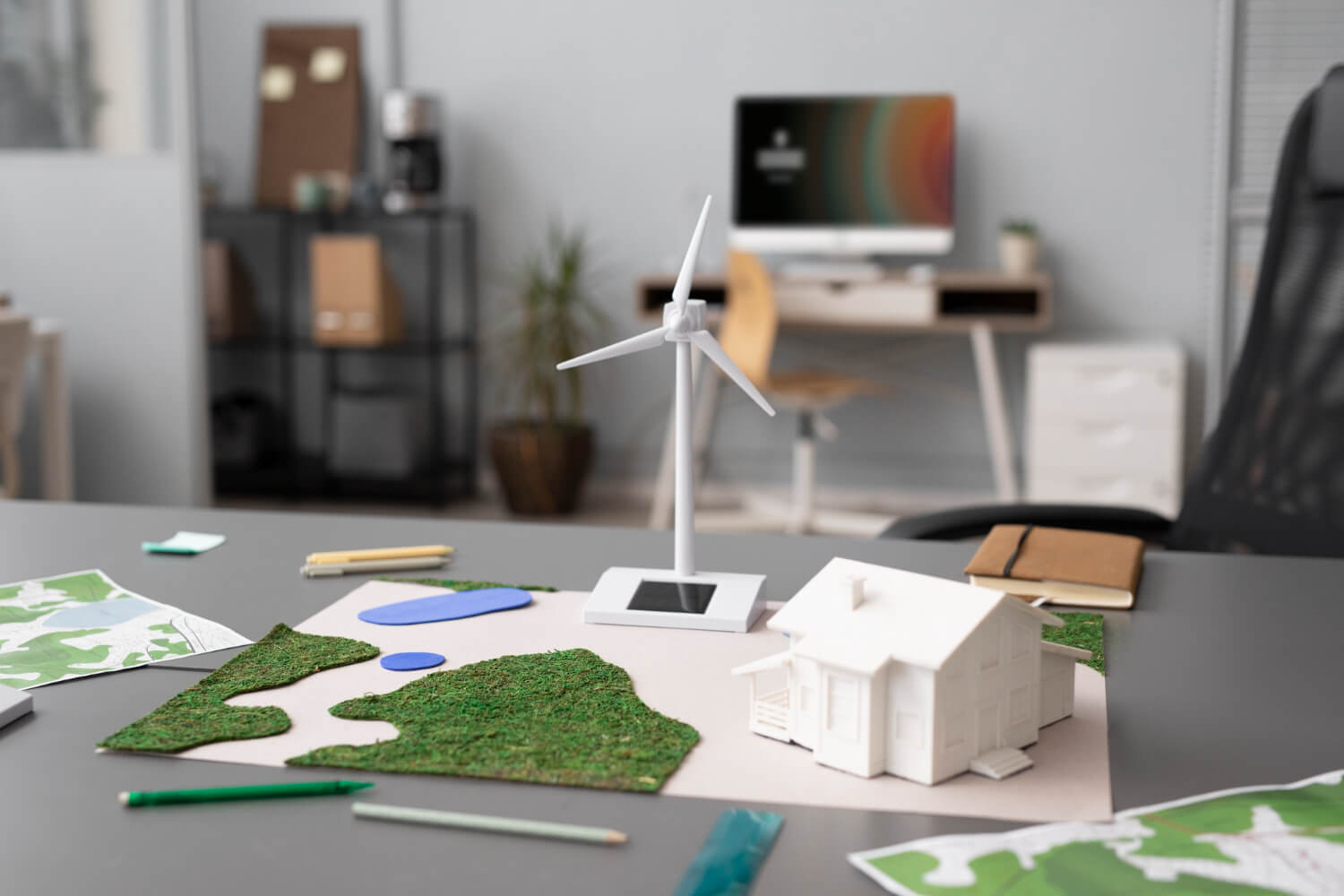
2. Solar Power Integration
Power instability remains a reality in many parts of Nigeria. Sustainable housing plans for this, instead of reacting to it later.
Key features include:
- Pre-installed solar systems: This provides immediate alternative power without relying solely on generators.
- Solar-ready structural provisions: Allow easy future installation of solar panels without structural modifications.
Solar integration reduces fuel dependence, cuts generator maintenance costs, and provides more predictable energy expenses over time.
3. Proper Drainage and Flood-Resistant Planning
Flooding is not a seasonal surprise anymore. It is a recurring challenge in many Nigerian cities. A sustainable development anticipates this risk at the planning stage.
Look for:
- Elevated foundations: Buildings are constructed above potential flood levels to prevent water damage.
- Estate-wide drainage systems: Properly designed drainage channels move excess water away efficiently.
- Smart water channelling within layouts: Layout design prevents water stagnation and erosion within the estate.
Flood-resistant planning protects not just individual houses but entire communities. It also preserves long-term property value. This is something we take seriously at Aspire Homes Africa. All our projects, especially Southfields Estate, have well-planned drainage systems.
4. Water Efficiency and Management
Water sustainability is often ignored until there is a shortage. In many Nigerian cities, water supply can be inconsistent, seasonal, or entirely dependent on private solutions. When scarcity hits, homeowners are forced into reactive spending, drilling emergency boreholes, or relying on expensive water vendors.
Modern sustainable housing plans ahead. It addresses both water access and conservation at the same time. This means ensuring reliable supply through structured systems, while also reducing waste through efficient plumbing, proper storage, and smart water reuse solutions. Instead of scrambling during shortages, residents live with predictable, managed water systems built into the development from the start.
Important features to add in your house planning include:
- Borehole systems with filtration: Provides independent and cleaner water supply for residents.
- Adequate water storage systems: Ensure steady water availability during interruptions.
- Efficient plumbing systems: Reduce leakages and prevent unnecessary water wastage.
- Rainwater harvesting systems: Collect rainwater for secondary uses such as cleaning and irrigation.
Efficient water systems reduce reliance on external supply and lower long-term operational costs.
5. Durable and Climate-Appropriate Materials
Nigeria’s climate can be harsh. Intense sun, humidity, and heavy rainfall quickly expose poor construction quality. Sustainable housing uses materials that are built to last.
This includes:
- Heat-resistant roofing materials: Designed to withstand prolonged sun exposure without deterioration.
- Moisture-resistant finishes and coatings: Prevent mould growth and structural weakening over time.
- High-quality structural components: Reduce the frequency of repairs and maintenance expenses.
Durability is sustainability. The longer a structure lasts without major repairs, the more cost-effective and environmentally responsible it becomes.
6. Green Spaces and Thoughtful Layout Planning
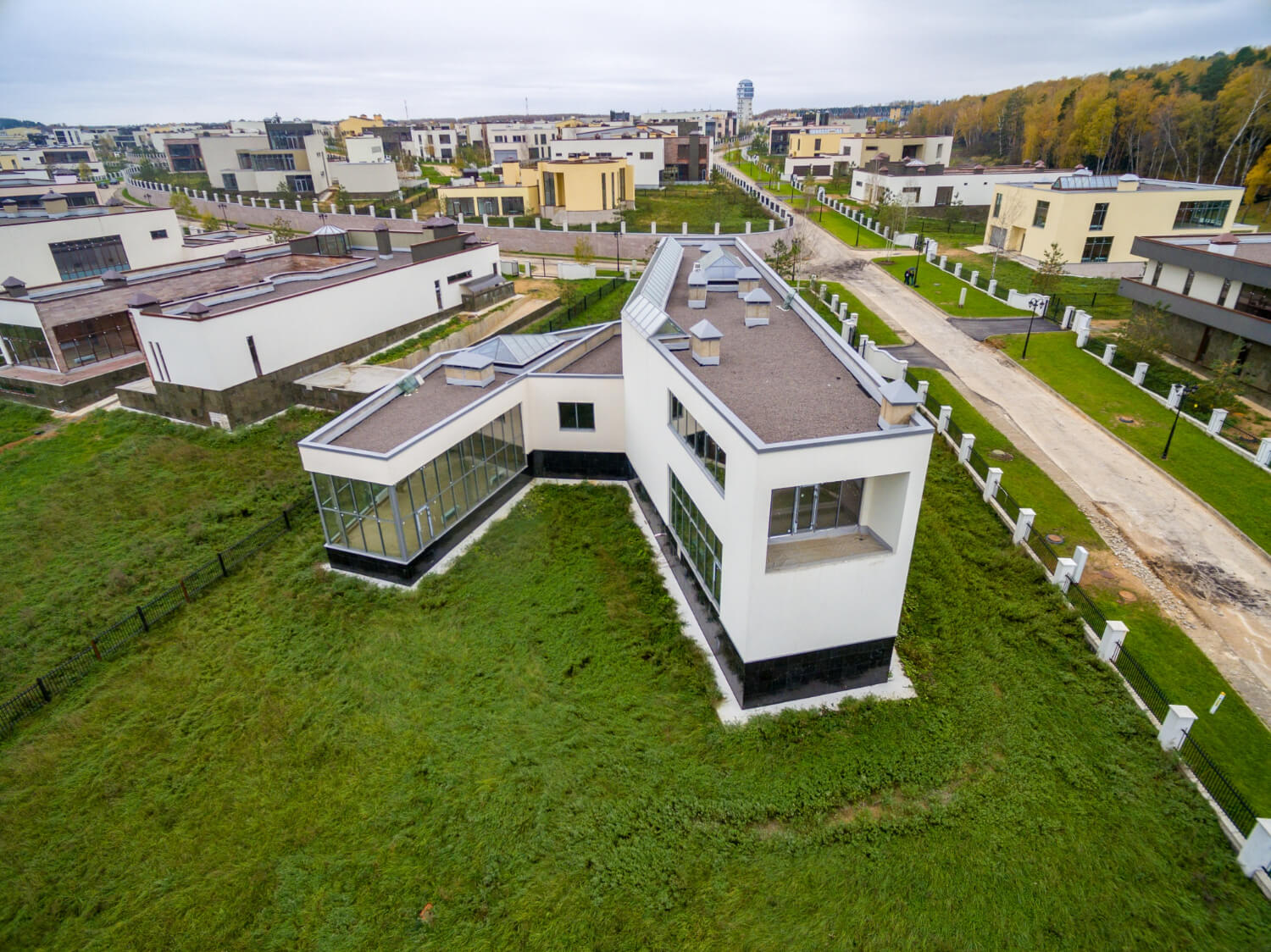
Sustainability goes beyond individual houses. It includes how the entire estate functions. Green and open spaces play a critical role.
Look for:
- Designated green areas improve air quality and reduce heat concentration within the estate.
- Proper spacing between homes encourages airflow and prevents overcrowding.
- Balanced estate density: This prevents infrastructure strain and enhances liveability.
Well-planned layouts improve comfort, mental well-being, and long-term community value.
7. Infrastructure That Supports Long-Term Living
A sustainable home cannot exist in isolation. Infrastructure determines whether a development thrives or struggles.
Key infrastructure elements include:
- Well-constructed road networks: Ensure easy access during both dry and rainy seasons.
- Reliable drainage systems: These protect properties from erosion and flood-related damage.
- Waste management planning: This ensures that cleanliness is maintained and prevents environmental health risks.
- Security infrastructure enhances safety and strengthens property value retention. Sustainable communities also prioritise safety, because liveability includes how secure residents feel daily
Without proper infrastructure, even the most beautiful home can quickly lose value.
Why Sustainable Housing Matters More Than Ever
Sustainability in Nigeria is not about trends. It is about resilience.
Homes designed with energy efficiency, water management, strong materials, and proper planning cost less to maintain, appreciate better over time, and provide greater comfort.
As urban areas expand and environmental pressures increase, developments that prioritise sustainability will outperform those that ignore it.
At Aspire Homes Africa, sustainability begins at the planning stage. From layout design to infrastructure integration, the focus is on building communities that are not only attractive but functional, resilient, and future-ready.
We believe that a modern home should not just look good today. It should work efficiently for years to come.
Final Thoughts
When choosing a home or investing in property, do not focus only on aesthetics.
Ask how the home handles heat, water, energy, flooding, and infrastructure. Ask whether the materials will last. Ask whether the development is planned for growth.
Sustainable housing is not a luxury feature. It is a smart investment decision, and in today’s Nigeria, smart decisions matter more than ever.