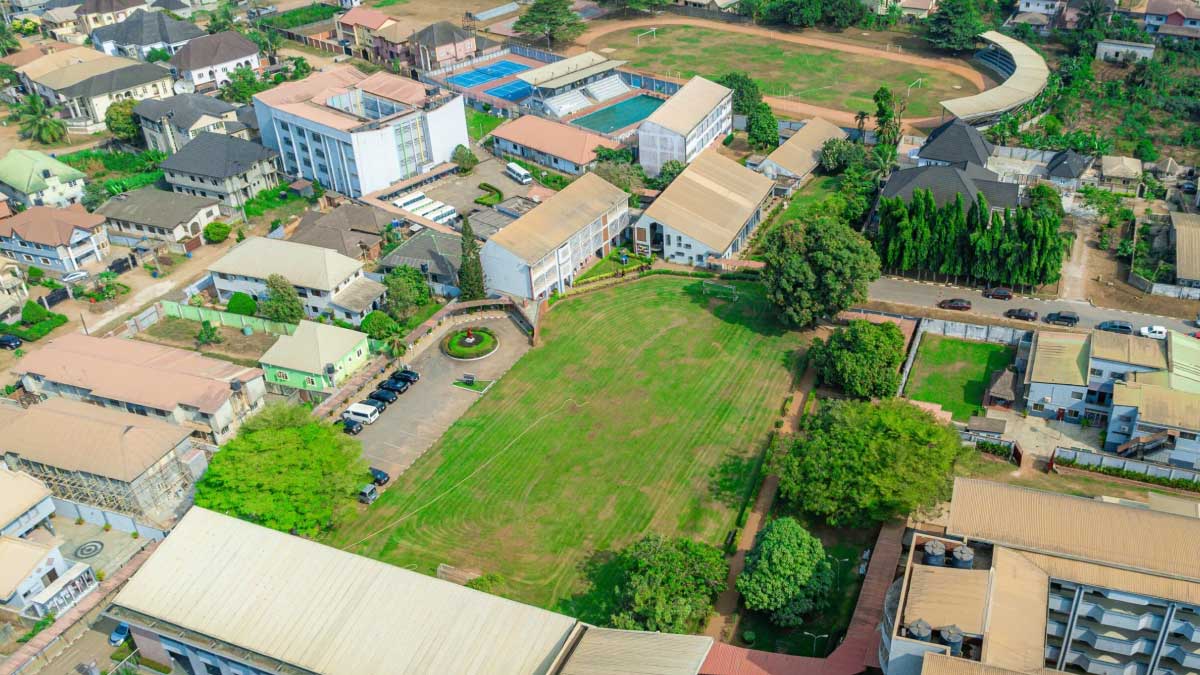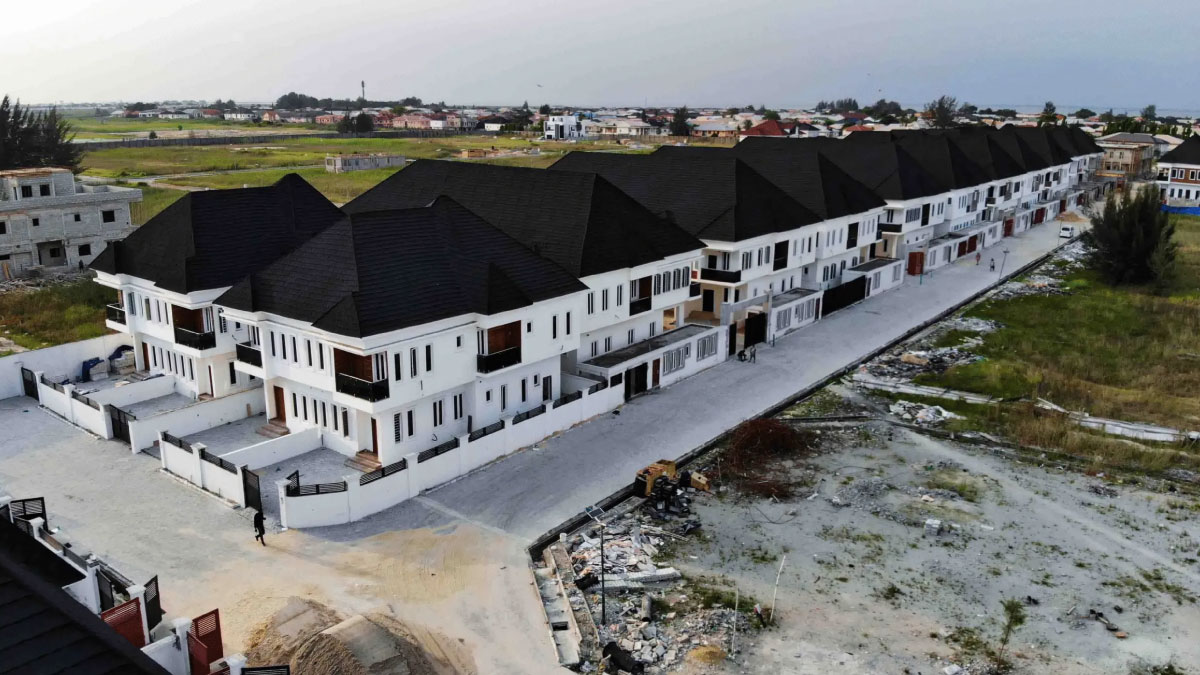
If you’ve been watching Nigeria’s property market over the past few years, you’ve probably noticed one thing: everyone seems to be investing in land or housing. From Lagos to Abuja to emerging areas like Agbara and Keffi, real estate has become more than just a lifestyle dream; it’s one of the most stable ways to grow wealth in Nigeria today.
But while it looks simple on the surface (“buy land, wait, and sell later”), real estate investment in Nigeria goes much deeper than that. It has become one of the most stable and profitable ways to build long-term wealth.
With Nigeria’s growing population, urban expansion, and rising demand for housing and commercial infrastructure, the property sector presents opportunities for investors, developers, and homeowners alike. Yet, succeeding in this dynamic market requires strategy, research, and partnerships with trusted real estate developers.
To succeed, you need the right information: where to invest, what to avoid, and how to partner with credible developers. This guide explores everything you need to know, from understanding the property landscape to identifying promising locations and spotting the best growth opportunities.
Why Real Estate Investment in Nigeria Is Booming
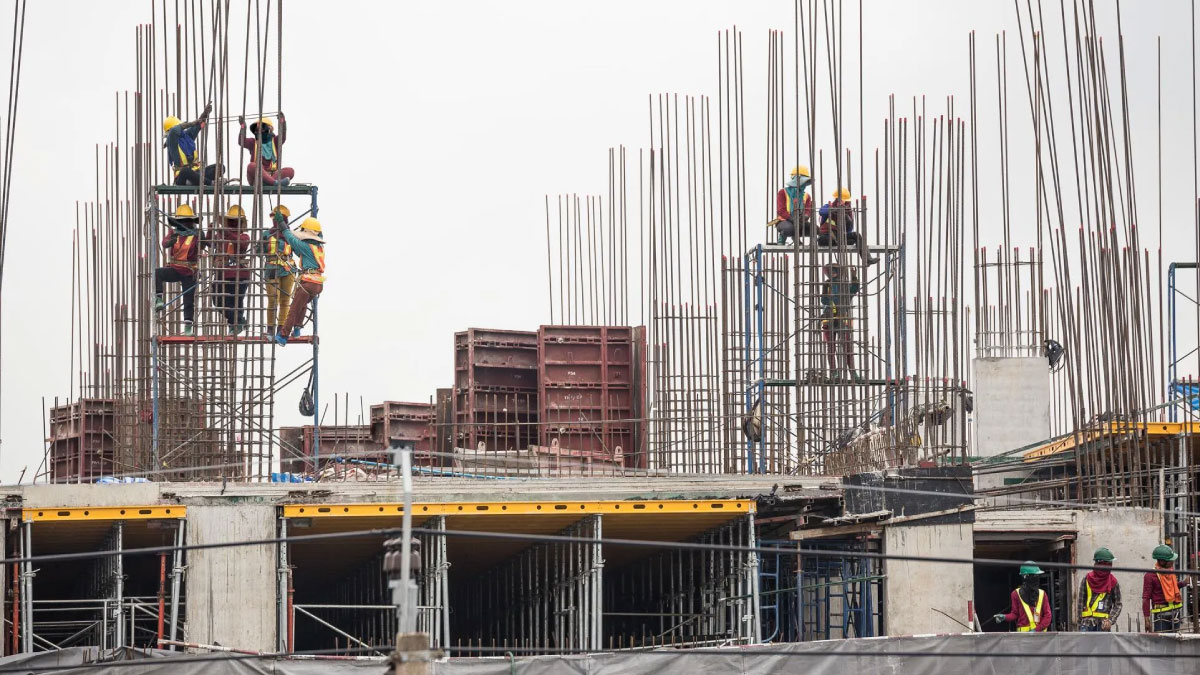
Nigeria’s real estate market has expanded rapidly over the past decade, driven by both private and public sector development. The country’s urbanisation rate stands at nearly 5% annually, one of the highest in the world. As more people move into cities like Lagos, Abuja, and Port Harcourt, the demand for affordable and luxury housing has skyrocketed.
Additionally, government initiatives such as improved land reforms, infrastructure projects, and mortgage financing schemes are gradually improving access to property ownership. The rise of sustainable estates, gated communities, and smart homes also reflects how Nigerian real estate is evolving to meet modern expectations.
Unlike volatile markets like crypto or forex, property values in Nigeria continue to rise steadily, especially in developing urban corridors. Real estate offers three unbeatable benefits:
- Tangible value: You can see it, touch it, and even live in it.
- Appreciation over time: Land rarely depreciates, especially in growth zones.
- Stability: It’s one of the few investments that hedge against inflation.
Investing in property in Nigeria is more than just buying land; it’s about securing long-term value. Whether it’s residential plots, commercial buildings, or short-let apartments, the returns—through rent, capital appreciation, or resale—can be substantial when done right.
Key Factors to Consider Before Investing
Before committing your money, here are crucial factors to consider:
- Location: The value of your property depends largely on where it’s located. Areas with expanding infrastructure, schools, and businesses typically appreciate faster.
- Title and Documentation: Ensure the property has clear titles, such as a Certificate of Occupancy (C of O) or Governor’s Consent, to avoid future disputes.
- Developer Reputation: Partner only with verified and trusted real estate developers. This can protect you from scams and ensure transparency and quality.
- Infrastructure: Good roads, reliable power supply, water systems, and drainage are vital for long-term property value.
- Purpose of Investment: Decide if your goal is rental income, land banking, or residential living. Each comes with different risks and rewards.
Understanding the Real Estate Market in Nigeria
The Nigerian property market can be divided into a few main categories:
- Residential: Apartments, estates, bungalows, and duplexes for individuals or families.
- Commercial: Office spaces, malls, and mixed-use buildings.
- Industrial: Warehouses and logistics facilities for manufacturers and distributors.
- Land Banking: Buying land in developing areas, holding it, and selling when the value appreciates.
For most first-time investors, residential and land banking remain the most accessible entry points, and they’re also where the best returns often start.
Top Emerging Investment Destinations in Nigeria
If you’re looking for where the next wave of growth is happening, these locations are worth watching closely:
Agbara, Ogun State:
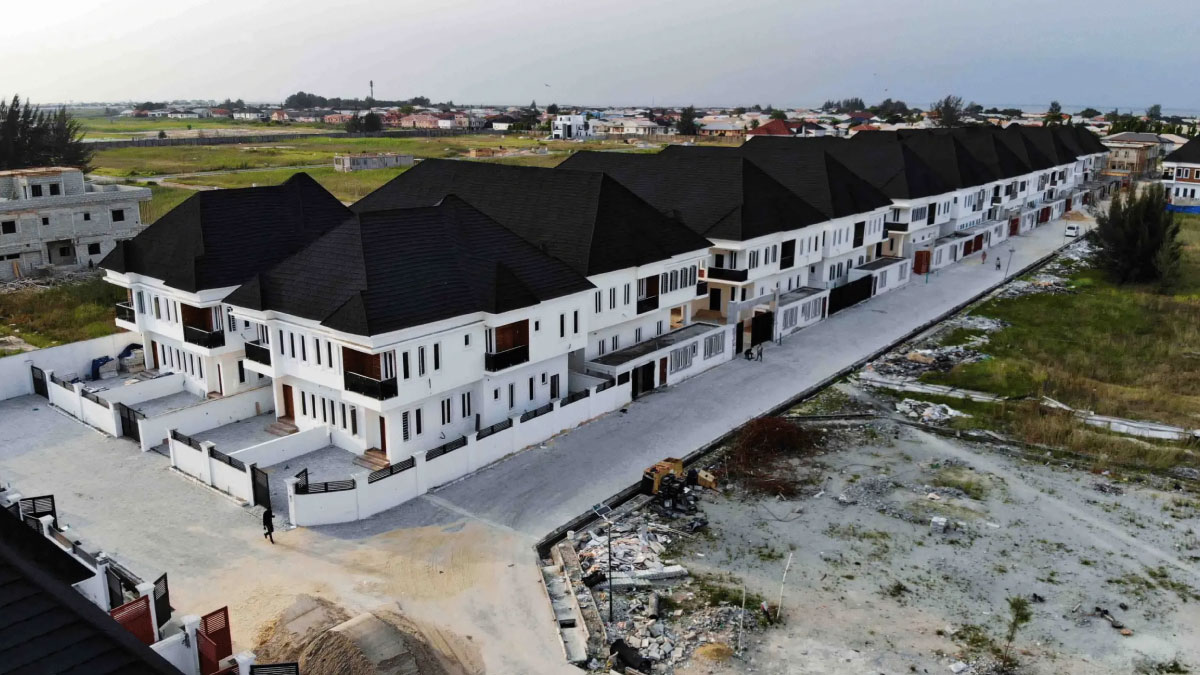
Once known primarily as an industrial hub, Agbara is fast transforming into a residential powerhouse. With ongoing infrastructure upgrades, fibre internet connectivity, and access to both Lagos and Ogun business zones, it offers the perfect blend of affordability and accessibility.
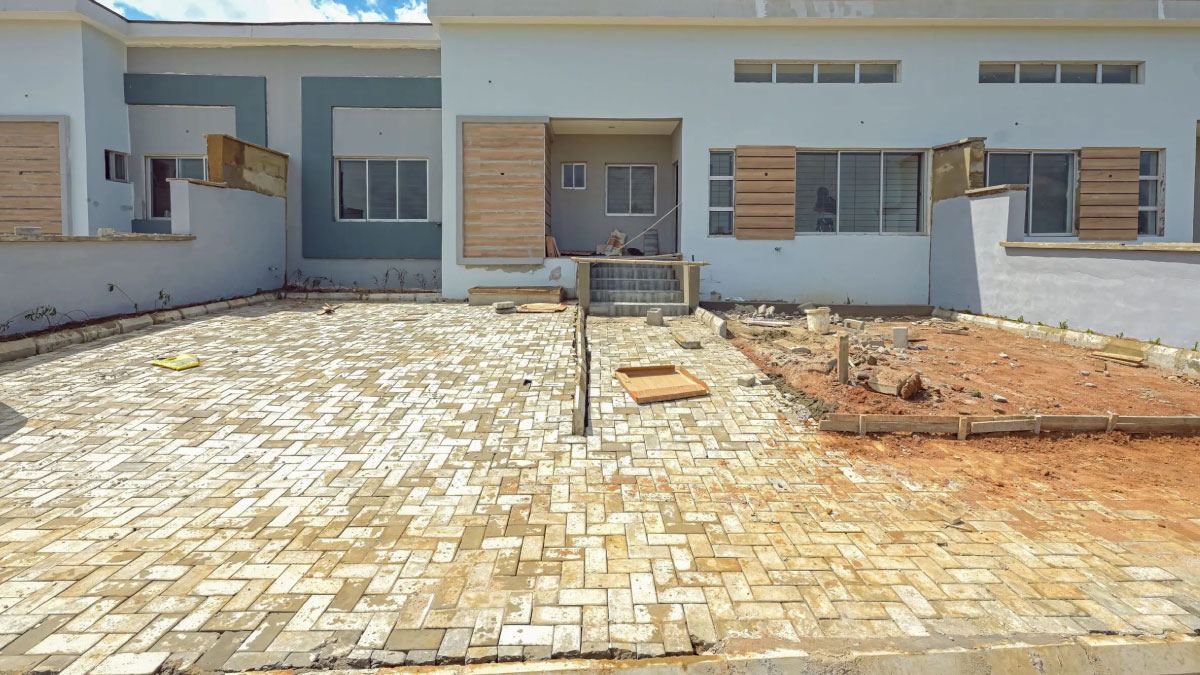
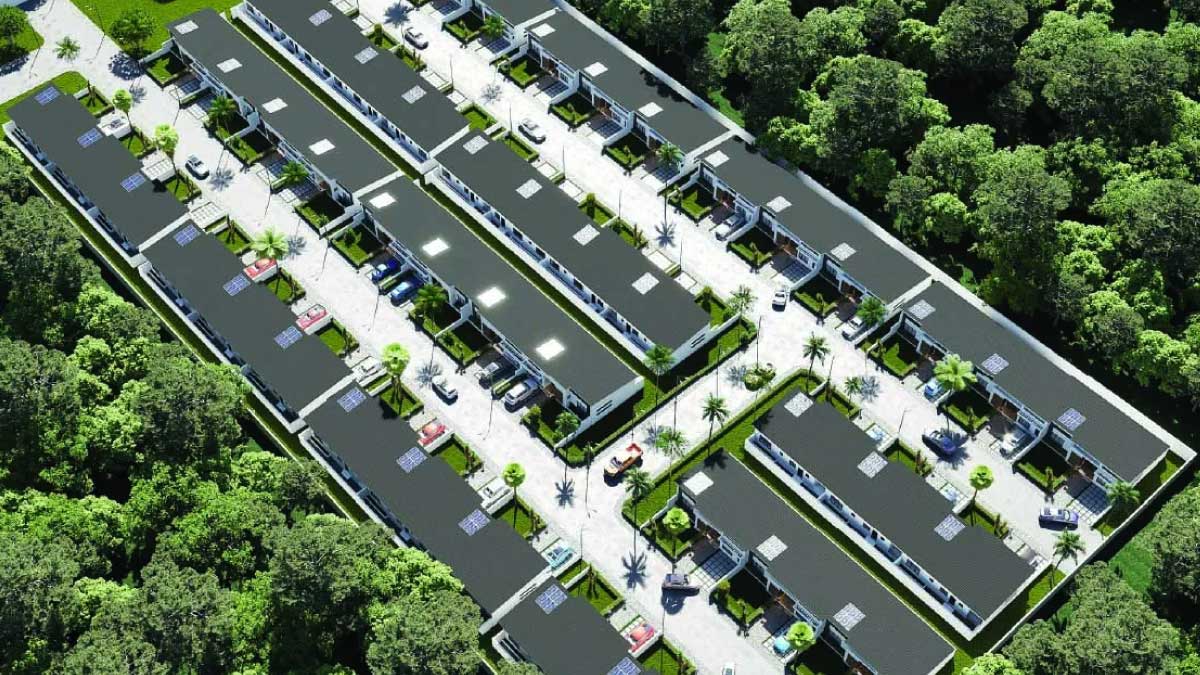
Developers like Aspire Homes Africa have been instrumental in reshaping Agbara into a modern, livable community with projects like Southfields Estate, offering 2- and 3-bedroom bungalows, 24/7 power, and secure environments, all at more attainable prices than Lagos.
Keffi, Nasarawa State:
Keffi sits just outside Abuja and is quickly becoming a hotspot for middle-income professionals seeking proximity to the capital without the stress of city congestion. Infrastructure is rapidly improving, and large-scale projects such as solar farms and industrial hubs are attracting both residents and investors. The presence of new estates and educational institutions is fueling housing demand.
Epe, Lagos State:
Epe is now widely regarded as the “new Lagos frontier.” With its proximity to the Lekki Deep Sea Port, Dangote Refinery, and the new international airport, the area has become a magnet for investors. Land prices have appreciated by over 100% in some locations in just three years, and developers are turning the once-quiet community into a thriving residential and commercial zone.
Abeokuta, Ogun State:
Abeokuta offers strong potential for both industrial and residential investment thanks to its proximity to Lagos, excellent road networks, and government-driven urban projects. It’s also one of the most affordable locations for land acquisition in South-West Nigeria.
Ibadan, Oyo State:
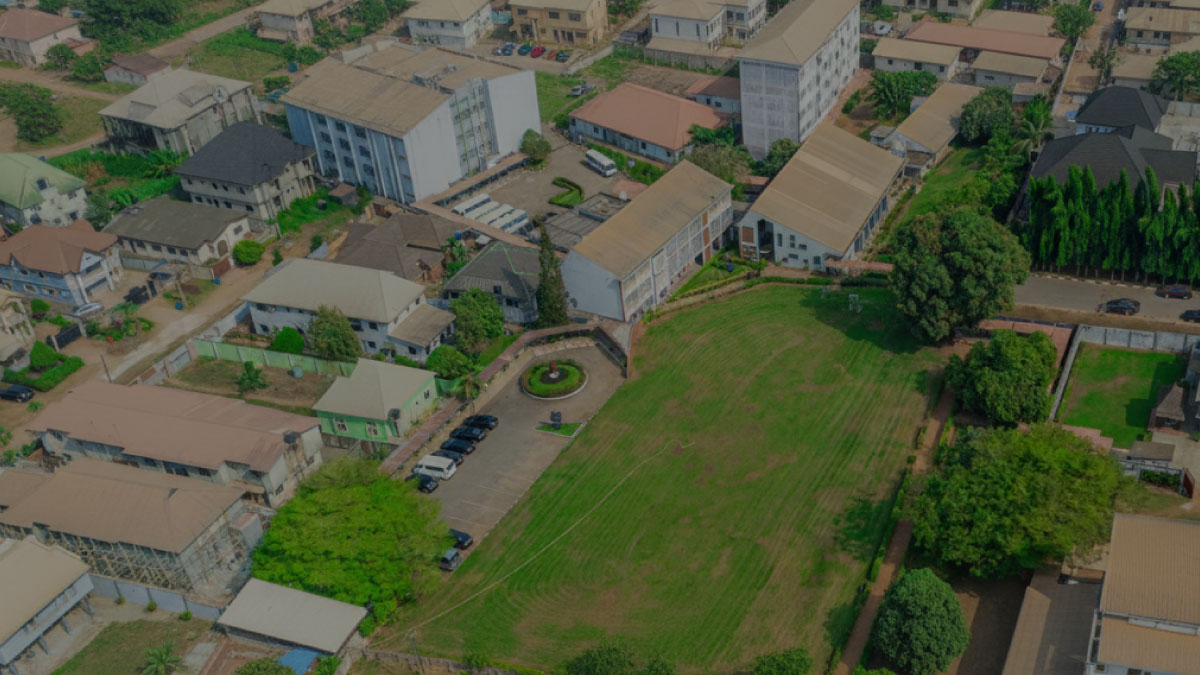
As one of the oldest and largest cities in Nigeria, Ibadan continues to attract investors due to its stable economy, relatively low cost of living, and proximity to Lagos via the Lagos-Ibadan Expressway. The real estate sector here is booming with new gated communities and modern housing developments.
Types of Real Estate Investment in Nigeria
Before diving in, it helps to know what investment types exist and which fit your financial goals:
- Buy and Hold (Land Banking): Purchase land in a developing area and resell it later for profit.
- Rental Properties: Build or buy homes to rent out for a steady income.
- Short-let Apartments: Ideal for tourist or business hubs like Lekki and Abuja.
- Commercial Spaces: Invest in office buildings or retail outlets.
- Joint Ventures: Partner with developers to build and share profits.
- Real Estate Investment Trusts (REITs): For investors who prefer a hands-off approach, REITs offer a way to invest in income-generating real estate without owning property directly. You can buy shares in real estate portfolios managed by professional firms and earn regular dividends. REITs are regulated by the Securities and Exchange Commission (SEC) and can include residential, commercial, or mixed-use assets.
For beginners, serviced plots or completed homes from trusted developers are the safest options. This way, you avoid land title risks and enjoy access to essential community infrastructure.
Common Mistakes to Avoid
Even in a booming market, real estate investment in Nigeria can go wrong without proper guidance. Avoid these pitfalls:
- Skipping due diligence: Always verify land titles and the legitimacy of the seller or developer.
- Overlooking infrastructure: A cheap plot in a remote, underdeveloped area may not appreciate for years.
- Investing without a clear goal: Know whether you want short-term returns or long-term value growth.
- Ignoring professional advice: Work with lawyers, surveyors, and credible agents before closing any deal.
Partnering with the Right Developer: Aspire Homes Africa
When it comes to reliability and innovation, Aspire Homes Africa stands out as one of the trusted names in Nigeria’s property market. With a track record of delivering secure, affordable, and modern housing solutions, the company focuses on redefining what community living means for Nigerians.
Their flagship project, Southfields Estate, located in Agbara, exemplifies this mission. The estate blends functionality and comfort, featuring modern bungalows, clean energy solutions, water systems, and 24-hour power, all designed for families and professionals seeking peace of mind without breaking the bank. Beyond housing, Aspire Homes Africa invests in sustainable infrastructure, ensuring that each development promotes long-term value for homeowners and investors alike.
For anyone considering real estate investment in Nigeria, partnering with a developer like Aspire Homes Africa ensures transparency, title security, and genuine value appreciation.
Final Thoughts
Real estate investment in Nigeria continues to present immense opportunities, from residential estates in Abuja to commercial developments in Lagos and emerging communities like Agbara and Keffi. However, success depends on choosing credible developers, conducting proper due diligence, and understanding the long-term growth potential of your chosen location.
Nigeria’s property landscape is evolving fast, driven by innovation, population growth, and investor confidence. The best time to start building your property portfolio was yesterday, but the next best time is now.