Most people walk away from homeownership long before money becomes the real issue.
It usually starts like this. You see a house you like. The price seems reasonable. Then you assume that because you cannot pay everything at once, the house is not meant for you. So you stop asking questions and move on.
But here is the truth, many people do not realise. Most homeowners in Nigeria did not pay cash upfront. They used a mix of strategies, timing, and financing options that are rarely explained clearly.
So, how do people actually finance a house purchase in Nigeria? Is it only through bank loans, or are there safer, more realistic paths that fit how Nigerians actually earn and save?
This guide will walk you through the real ways people finance homes in Nigeria today, what each option really means, and how to choose the one that won’t suffocate you financially.
First, Let’s Be Honest About the Nigerian Reality
Financing a house in Nigeria is different from what you see in movies or Western real estate blogs.
Here’s why:
- Interest rates are high
- Mortgage access is limited
- Many people earn in naira but buy assets priced against inflation
- Developers and banks don’t play the same role
That’s not bad news. It just means you need to understand the system as it is, not as it should be.
Option 1: Buying Through a Developer Payment Plan
This is currently the most common way Nigerians finance a house purchase. Instead of paying the full amount upfront, the developer allows you to spread payments over a fixed period, usually between 6 and 24 months. This approach reduces pressure, removes the need for bank loans, and makes homeownership feel far more realistic for many buyers.
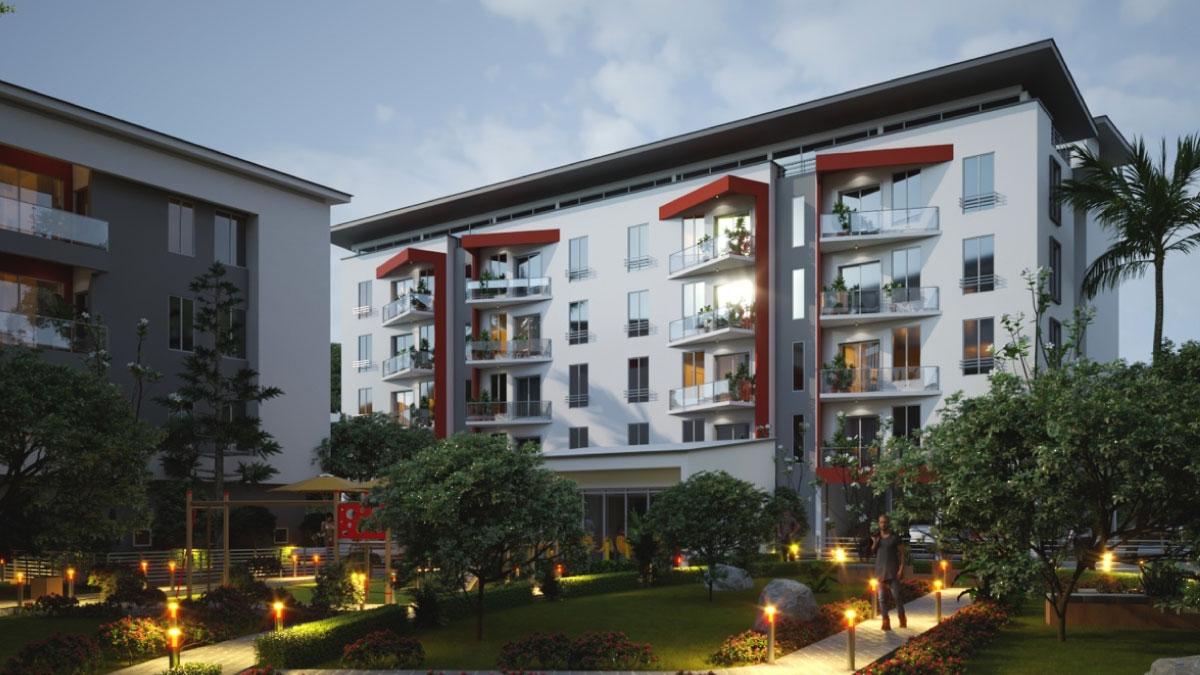
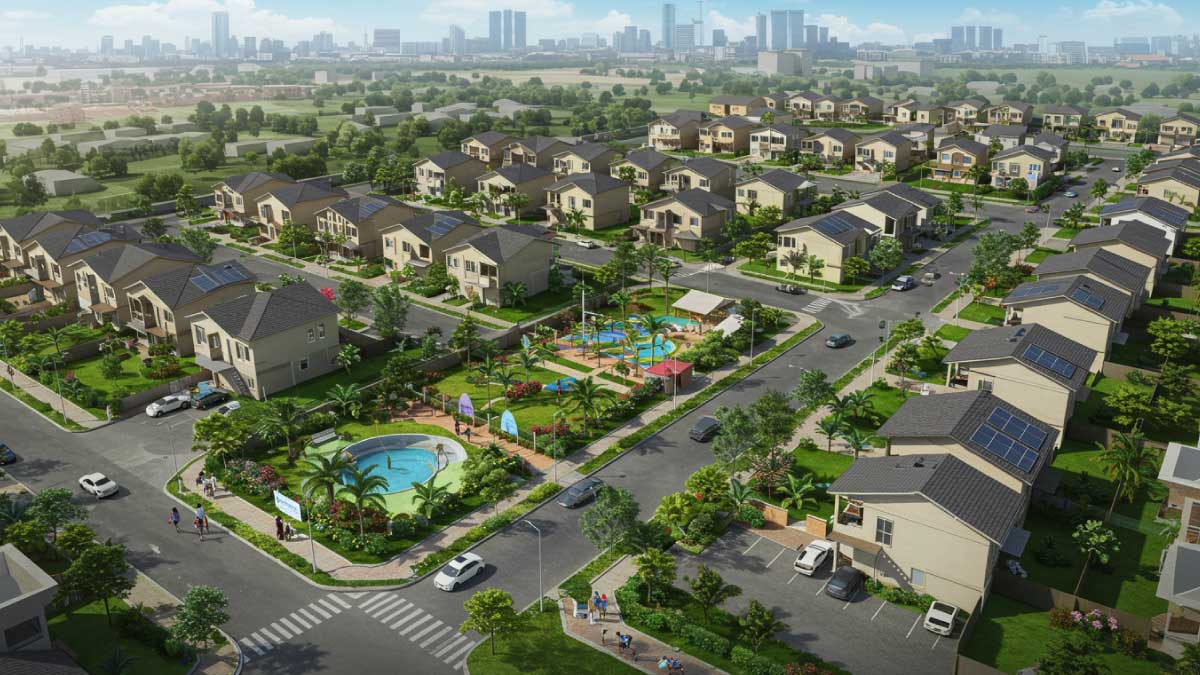
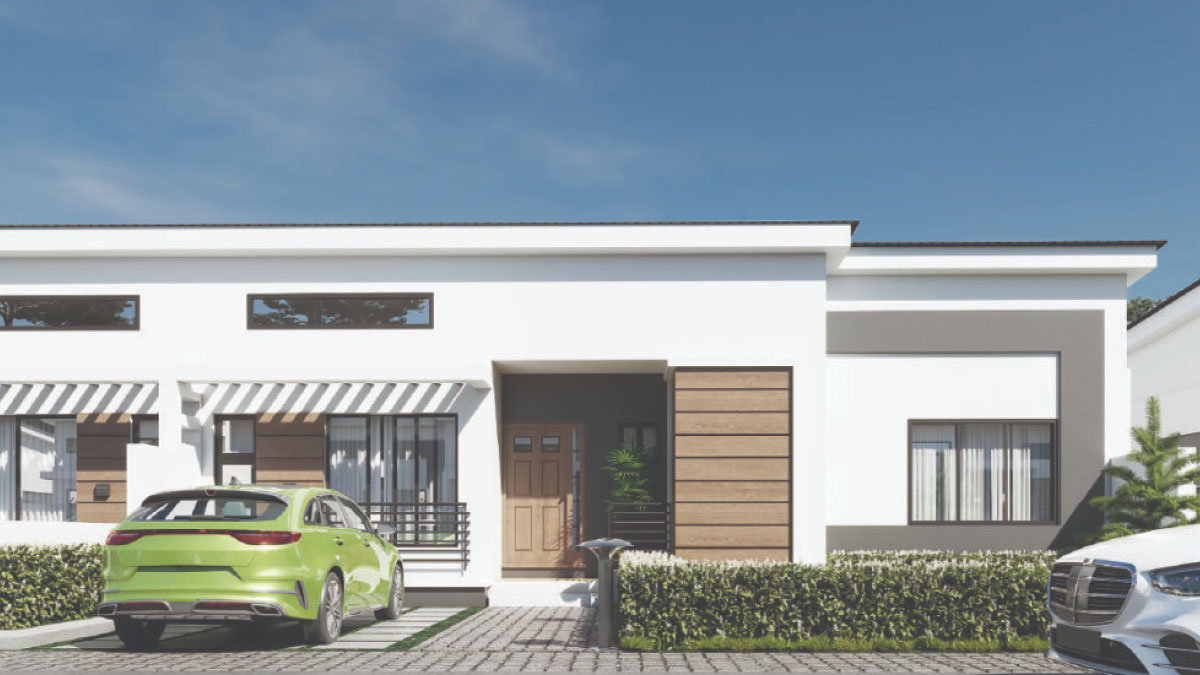
Some developers go a step further by offering off-plan homes, where buyers purchase while construction is still ongoing. This significantly lowers the overall cost compared to building a house outright from scratch. Developers like Aspire Homes Africa offer this option, allowing buyers to lock in today’s prices while paying gradually. With Aspire Homes, payment plans can run for up to 18 months, making it easier to plan, budget, and build toward ownership without financial strain.
How it works:
You make an initial deposit, then pay the balance monthly or quarterly until completion.
Why this option works for many people:
- No bank involvement: This removes the stress of dealing with lengthy bank approvals, credit checks, and shifting lending policies that often delay or block home purchases.
- No interest in most cases: You pay only the agreed property price, not inflated figures driven by interest charges, which makes long-term planning far more manageable.
- Predictable payment structure: Instalments are fixed and agreed upfront, allowing you to plan your finances confidently without fear of sudden increases or hidden costs.
- Faster access compared to mortgages: Since approvals are handled directly by the developer, you can secure a home and begin payments almost immediately, rather than waiting months for mortgage processing.
What to watch out for:
- Missed payments can lead to penalties or cancellation
- Not all developers are credible
- Titles and timelines must be verified
This option works best when you earn a stable income and can commit to consistent payments, but don’t want bank interest hanging over your head.
Option 2: Mortgage Loans in Nigeria
Mortgages do exist in Nigeria, but they’re often more complex and less accessible than many people expect. Most mortgage financing routes fall into a few main categories, each with its own realities.
- Primary Mortgage Banks (PMBs) are the most traditional option. They’re specifically set up to offer home loans and usually provide longer repayment tenures than regular banks. However, they tend to have strict eligibility criteria, require extensive documentation, and often expect a significant equity contribution upfront.
- Commercial banks with mortgage arms also offer home financing, typically to salaried individuals with stable income. These mortgages can move faster than PMB options, but interest rates are usually higher, and repayment terms may be shorter. They’re best suited for buyers with strong credit profiles and predictable cash flow.
In practice, many buyers combine one or more of these options with personal savings or cooperative funds to make mortgage financing work.
Typical requirements include:
- Proof of steady income
- Good credit history
- Equity contribution (often 20–30%)
- Long approval timelines
So what’s the challenge?
Interest rates are often high, and repayment periods may not be flexible enough for middle-income earners.
Mortgages can work if:
- You earn in foreign currency or high naira income
- You’re buying a completed property
- You’re comfortable with long-term debt
For many Nigerians, mortgages are a second step, not the starting point.
Option 3: Cooperative and Employer Housing Schemes
Some people finance their homes quietly through cooperatives, a route that doesn’t always get talked about but works well for many Nigerians. This can include workplace cooperatives where members contribute monthly, trade or professional associations that offer housing loans to their members, as well as religious or community-based cooperatives built on trust and long-term contribution systems.
Over time, these groups provide access to lump sums or low-interest loans that members can use to purchase land or homes without the pressure of commercial bank rates.
How it works:
You contribute monthly to a pool. When your turn comes, you receive a lump sum or a loan at low interest to purchase a house.
Why this works:
- Lower interest rates
- Trust-based systems
- Flexible repayment terms
Limitations:
- It takes time
- Funds may not match today’s property prices
- Not everyone has access
This option suits people who plan early and think long-term.
Option 4: Personal Savings + Phased Building
This is one of the oldest financing methods in Nigeria, and it’s still very relevant today. Long before structured mortgages became common, many Nigerians built their homes gradually, paying for land first and then constructing in stages as money became available.
It’s how a large number of older Nigerians came to own homes: buying blocks this year, roofing the next, and finishing over time.
The advantage:
- No interest
- Full control over pace
- Easier on the monthly cash flow
The downside of this option is:
- Slower completion
- Requires discipline
- Inflation can increase building costs over time
But this works well for people who prefer ownership without debt and are not in a hurry.
Option 5: Using the National Housing Fund (NHF)
The National Housing Fund (NHF) is a government-backed scheme created to make homeownership more accessible for Nigerians, especially low- and middle-income earners. It works on a contributory model, where employed Nigerians earning N3000 monthly income and above contribute 2.5% of their monthly basic salary. These contributions are then pooled and disbursed as housing loans through accredited Primary Mortgage Banks.
On paper, the NHF sounds like a great deal. And to be fair, it can be helpful. But it’s important to understand how it really works in practice.
Here’s the honest breakdown:
- Lower interest rates: NHF loans come with single-digit interest rates (currently around 6%), which is significantly cheaper than most bank loans.
- Mandatory consistency: You must contribute consistently for at least six months before you can even apply.
- Long processing timelines: Approvals are rarely quick. Expect delays and multiple follow-ups.
- Heavy documentation: From employment letters to contribution records and project approvals, paperwork is non-negotiable.
Because of these realities, the NHF isn’t a one-click solution to homeownership. Many people get frustrated by the bureaucracy and long waiting periods, which can make the process feel discouraging if you’re unprepared.
Where the NHF actually works best is as part of a bigger financing plan:
- When it’s combined with personal savings or cooperative funds
- When it’s used for specific, approved housing projects
- When the buyer is patient, organised, and properly documented
Think of the NHF as a support system rather than a shortcut. It won’t magically hand you a house, but if you understand the process and plan around its limitations, it can still help reduce your overall cost of financing a home in Nigeria.
Option 6: Family Support and Informal Financing
Many Nigerians won’t always say it out loud, but family support plays a quiet role in how a lot of homes get financed. This might look like parents stepping in to help cover an initial deposit, family members offering interest-free loans to reduce pressure, or even joint ownership arrangements where siblings or relatives buy together.
In many cases, this kind of support helps bridge the gap between intention and action, making homeownership possible much earlier than it would be alone.
This option works when:
- Expectations are clear
- Agreements are documented
- Emotions don’t replace structure
Money without clarity can strain relationships, so boundaries matter here.
How to Choose the Right Financing Option for You
Instead of asking, “What’s the best way to finance a house?”
Ask, “What’s the best way for me?”
Consider:
- Your monthly income stability
- How long you can commit to payments
- Whether you prefer speed or flexibility
- Your tolerance for debt
- Your long-term financial goals
The smartest financing plans are not aggressive. They are sustainable.
Common Mistakes to Avoid
Many people don’t fail because financing options don’t exist. They fail because they choose the wrong one.
Avoid:
- Overstretching monthly payments
- Ignoring documentation because the price is “sweet”
- Rushing into bank loans without understanding the interest impact
- Buying based on emotion instead of cash flow
A house should improve your life, not trap you in financial anxiety.
Final Thoughts
Financing a house purchase in Nigeria is not about finding a perfect option. It’s about finding a realistic one.
Some people use payment plans. Others combine savings with cooperatives. Some eventually use mortgages. None of these paths is wrong when chosen with clarity. The mistake is assuming homeownership is only for people who already “have money.” In reality, it’s for people who plan, ask questions, and choose financing that respects their income and peace of mind.
Buy at a pace you can breathe with. That’s how homes become assets, not burdens.