Land fraud in Nigeria is not rare. It is common, and in many cases, devastating.
Across the country, unsuspecting buyers lose millions of naira every year to forged documents, multiple sales of the same plot, government-acquired land, or “family land” disputes that only surface long after payment has been made. What initially feels like a smart investment can quickly turn into legal battles, demolition threats, or permanent financial loss.
The most painful part? Many of these cases were avoidable.
Land fraud does not succeed because buyers are careless. It succeeds because the system can be complex, documentation can be confusing, and due diligence is often rushed, misunderstood, or completely skipped. In the excitement of securing land — especially in fast-developing areas — critical verification steps are ignored.
So how do you protect yourself in an environment where one mistake can cost everything?
1. Never Pay for Land Without Verifying the Title
No matter how attractive the offer sounds, verification comes first.
Before making payment, confirm:
- The root of title
- The authenticity of documents
- Whether the land is free from government acquisition
- Whether there are encumbrances
If you are unsure how to do this properly, start by understanding how to verify land title in Nigeria before committing any funds.
Fraud thrives where verification is skipped.
2. Understand the Documents You Should See
Many buyers are handed a receipt and told it is sufficient.
It is not.
Before purchasing land, you should understand what valid documentation looks like. This may include a Certificate of Occupancy, Governor’s Consent, Gazette, or properly registered survey plan.
If you are unclear about what documents matter, review the documents you actually need to buy property so you know what to request and what to question. This documentation is your first line of defense.
3. Always Conduct a Land Registry Search
Even if the seller presents a Certificate of Occupancy, you must confirm it at the Land Registry.
A registry search will reveal:
- Whether the title is genuine
- Whether the land has been previously sold
- Whether it carries a mortgage or a court dispute
- Whether it is under acquisition
Skipping this step is one of the most expensive mistakes buyers make.
4. Chart the Survey Plan
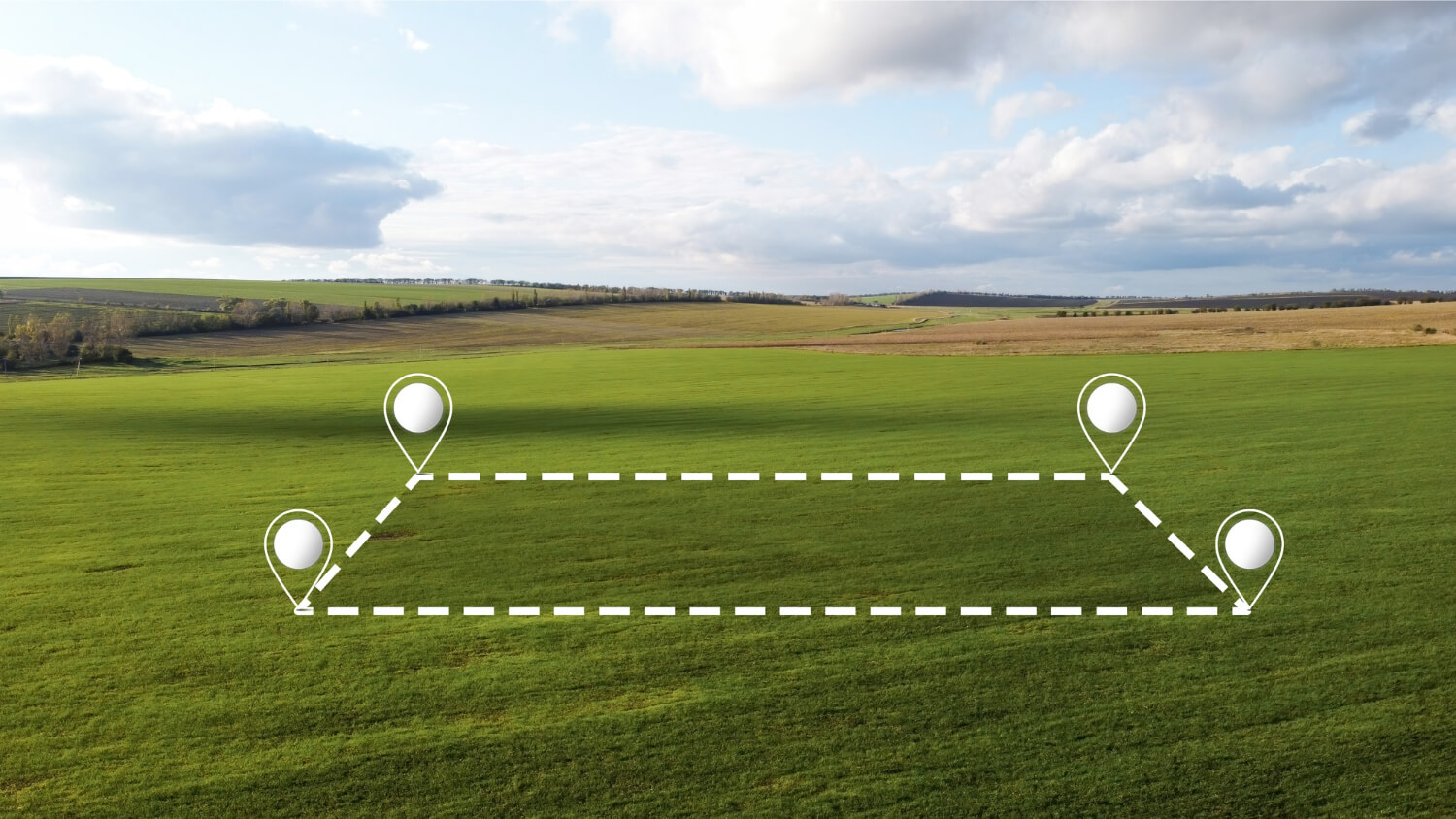
A survey plan contains coordinates that show exactly where the land is located.
Those coordinates can be charted to confirm whether the land falls within government acquisition or committed areas.
Many demolition cases across Nigeria happen because buyers failed to chart the survey before building. A registered surveyor can confirm if the land is safe before you pay.
5. Avoid “Family Land” Without Proper Consent
Family land is not automatically fraudulent. The problem arises when:
- Only one family member signs the agreement
- There is an internal dispute among beneficiaries
- There is no written, collective consent
If all principal family representatives do not formally consent, the sale can be challenged later.
What looks legitimate today can turn into litigation tomorrow.
6. Be Careful With Unverified Agents and Middlemen
Not every agent is licensed or transparent.
Warning signs include:
- Pressure to pay quickly
- Refusal to allow independent verification
- Inconsistent explanations about ownership
- Requests for cash payments without proper documentation
Work with professionals who are transparent and willing to provide verifiable information.
7. Choose the Right Location From the Start
Fraud risk increases when buyers rush into unfamiliar areas without understanding the land’s history.
Before buying, understand:
- Whether the area has a history of acquisition
- Whether the infrastructure is properly planned
- Whether development is structured
If you are still at the selection stage, learn how to properly choose a plot to reduce risk before negotiations even begin.
Where you buy matters just as much as what you buy.
8. Work With a Property Lawyer
Land transactions should not be treated casually. Involve a property lawyer with a reputable background to review your documents.
A property lawyer will:
- Examine title documents
- Conduct registry searches
- Draft agreements
- Guide you through proper transfer procedures
After purchase, ensure ownership is properly formalised by following the correct steps for transferring the ownership of your new property. Fraud often happens not just during purchase, but also during improper transfer.
9. Be Realistic About “Too Good to Be True” Prices
Extremely discounted land in prime areas should trigger caution.
Sometimes, the low price reflects:
- Government acquisition
- Ongoing litigation
- Multiple prior sales
- Incomplete documentation
Affordable land exists. Suspiciously cheap land usually carries risk.
If you are buying primarily for appreciation, you should also understand whether buying land in the specific location you want to purchase from is a good investment or not. Smart investment requires very careful evaluation. Check whether there are visible developments happening there, and if it would not become a liability to you later.
A Safer Alternative: Structured Developments
One way to significantly reduce fraud risk is to buy from structured developers with clear title documentation and transparent processes.
At Aspire Homes Africa, documentation is clearly defined before sale, and buyers are guided through proper verification and transfer procedures.
When developments are planned, documented, and professionally managed, ambiguity reduces. In Nigerian real estate, reducing ambiguity reduces risk.
Final Thoughts
Land fraud in Nigeria does not happen because buyers are careless. It happens because the system can be complex.
But complexity is not an excuse to skip due diligence.
Before paying:
- Verify the title
- Conduct registry searches
- Chart the survey
- Confirm documentation
- Use a lawyer
- Avoid pressure tactics
Land ownership is powerful, but only when it is legally secure. In real estate, protection is not optional. It is part of the purchase.